
Stress & Tension
Physiotherapy, Chiropractic and Sports Massage for Neck, Shoulder and Back Tension
Stress and Tension Treatment
Stress can show up physically as tight shoulders, neck stiffness, tension headaches, jaw clenching, back discomfort and a body that never feels completely relaxed.
Long working hours, sustained concentration, frequent travel, disrupted sleep and limited movement can all affect how your muscles and joints feel. What begins as occasional tightness may gradually become persistent pain, restricted movement or recurring physical tension.
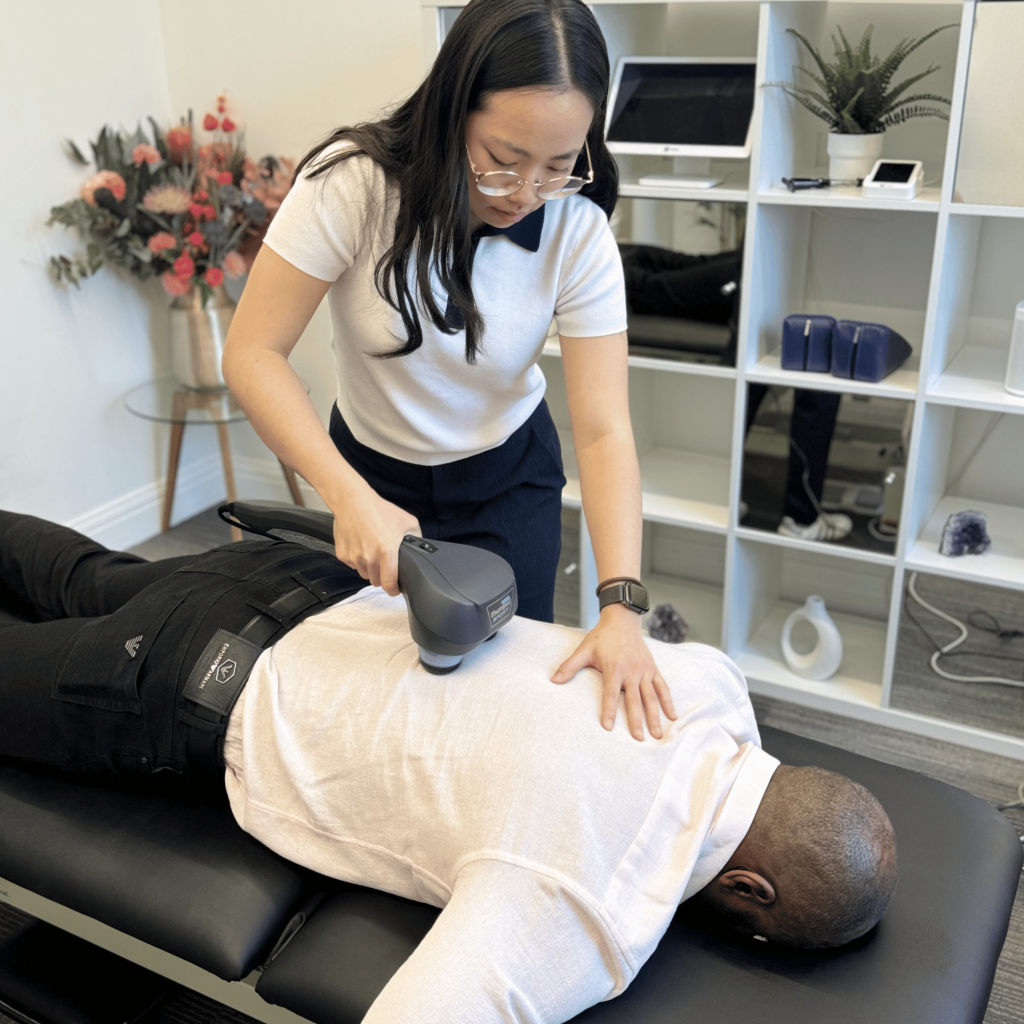
Our Mayfair clinic provides physiotherapy, chiropractic care and sports massage for the physical symptoms that can accompany stressful periods. Following an individual assessment, we will recommend the treatment most appropriate for your symptoms, physical findings and goals.
We welcome people who live, work and stay in Mayfair, Belgravia, Marylebone and across Central London.

Common Signs of Stress Related Physical Tension
Stress related tension can affect several areas of the body at the same time. Some people notice symptoms only during particularly demanding periods. Others experience tension that returns whenever their workload, travel or sleep patterns change.
Neck, Shoulders and Head
Common symptoms include:
- Tight shoulders
- Neck pain and stiffness
- Tension type headaches
- Jaw tightness or clenching
- Reduced neck movement
- Tender muscular knots
- An ache between the shoulder blades
- Heaviness across the upper back
- Discomfort after prolonged screen use
Back and Body
You may also experience:
- Upper or lower back discomfort
- Rib and chest wall tightness
- Stiffness after sitting
- Muscular fatigue
- Restricted movement
- Difficulty relaxing after work
- A feeling of physical heaviness
- Recurring discomfort during demanding periods.
Work and Travel Related Patterns
Physical tension may become particularly noticeable when:
- Symptoms build throughout the working day
- Your shoulders rise while concentrating
- Neck pain develops during meetings or screen use
- Long flights leave your back and hips feeling stiff
- Hotel beds or pillows aggravate your symptoms
- Tension eases on holiday but returns at work
- Massage provides relief but the tightness repeatedly returns
These symptoms can have several possible causes. A professional assessment helps determine whether physiotherapy, chiropractic care, sports massage or medical referral is the most appropriate next step.
How Stress Can Affect the Body
Stress is not simply a mental experience. It can influence breathing, sleep, muscular activity, movement and sensitivity to discomfort.
During periods of pressure, you may unconsciously brace through your shoulders, hold your jaw tightly or breathe more shallowly. You might also spend longer in one position without noticing that your body needs to move.
No single posture is responsible for every case of tension. The greater problem is often remaining in the same position for too long while the body receives too few opportunities to move, recover and relax.
Poor sleep may further reduce physical recovery. Frequent travel, demanding training and long working hours can add additional load. Together, these factors may contribute to stiffness, muscular tenderness and recurring pain.
Treatment cannot remove the psychological or professional source of stress. It can, however, help address relevant muscular tension, joint stiffness, movement restriction and physical discomfort.
Why Physical Tension Often Returns
Treating the area that feels tight may provide relief, but lasting improvement often requires an understanding of why that area is repeatedly becoming overloaded.
Shoulder tension, for example, may be influenced by sustained concentration, reduced neck movement, shallow breathing, limited upper back mobility or insufficient recovery. Back tension may involve prolonged sitting, reduced hip movement, changes to exercise or frequent travel.
This is why our approach looks beyond a single tight muscle.
Your practitioner will consider:
- Where your symptoms are located
- When they become better or worse
- Your working position and movement habits
- Recent changes to exercise or training
- Sleep and travel patterns
- Joint mobility
- Muscular strength and endurance
- Previous injuries
- Relevant medical history
The goal is to distinguish primarily muscular tension from joint related stiffness, reduced movement capacity, recurring physical overload or symptoms that require further medical investigation.
Which Treatment Is Right for You?
Physiotherapy, chiropractic care and sports massage have different roles. You do not necessarily need all three.
| Treatment | It may be suitable when |
|---|---|
| Physiotherapy | Tension is accompanied by pain, weakness, recurring headaches, reduced movement or difficulty exercising |
| Chiropractic | Neck or back tension is accompanied by joint stiffness, spinal restriction or reduced mobility |
| Sports massage | Muscular tightness, fatigue, post exercise soreness or physical relaxation is the main concern |
| Coordinated care | Several muscular, joint and movement factors appear to be contributing to your symptoms |
Your initial consultation allows us to understand your symptoms and recommend the most appropriate starting point.
Frequently Asked Questions
“Can stress cause neck and shoulder tension?”
Stress can be associated with increased muscular activity, altered breathing, disturbed sleep and reduced movement. These changes may contribute to tightness or discomfort in the neck and shoulders. Persistent or worsening symptoms should be assessed because they may have other causes.
“Which treatment is best for muscle tension?”
The best option depends on your symptoms. Physiotherapy may be suitable when tension is accompanied by pain, weakness or movement problems. Chiropractic care may be considered when joint stiffness and restricted spinal movement contribute. Sports massage may be useful when muscular tightness and physical relaxation are the main concerns.
“Can physiotherapy help with stress related pain?”
Physiotherapy may help manage the physical effects associated with stress, such as muscular tension, reduced movement and recurring neck or back discomfort. It does not treat the psychological cause of stress.
“Can a chiropractor help with neck and shoulder tension?”
A chiropractor can assess whether joint stiffness, spinal restriction or other mechanical factors are contributing to your symptoms. Treatment may include mobilisation, adjustments where appropriate, soft tissue care and movement advice.
“Is sports massage suitable for stress related tension?”
Sports massage may help ease muscular tightness and promote physical relaxation. Your therapist will review relevant health information before treatment and adjust the pressure to your comfort.
“Can treatment help with tension headaches?”
Where appropriate, a physiotherapist or chiropractor can assess the neck, shoulders, joints and movement patterns that may contribute to tension type headaches. New, severe or unusual headaches require medical assessment.
“How many appointments will I need?”
This depends on your symptoms, how long they have been present and the factors contributing to them. Your practitioner will explain the recommended plan following your assessment. You will not be expected to commit to unnecessary treatment.
Where is the clinic?
Our clinic is at Unit 4, 10 Portman Square, London W1H 6AZ. The location is convenient for Mayfair, Marylebone, Marble Arch, Belgravia and surrounding parts of Central London.
Arrange Stress and Tension Treatment in Mayfair
If tight shoulders, neck stiffness, headaches or back discomfort are affecting your work, sleep, travel or daily life, an initial assessment can help identify the relevant physical contributors.
Our Mayfair clinic provides personalised physiotherapy, chiropractic care and sports massage for stress related muscular tension and restricted movement.
Book an Appointment
Call 020 4577 1017